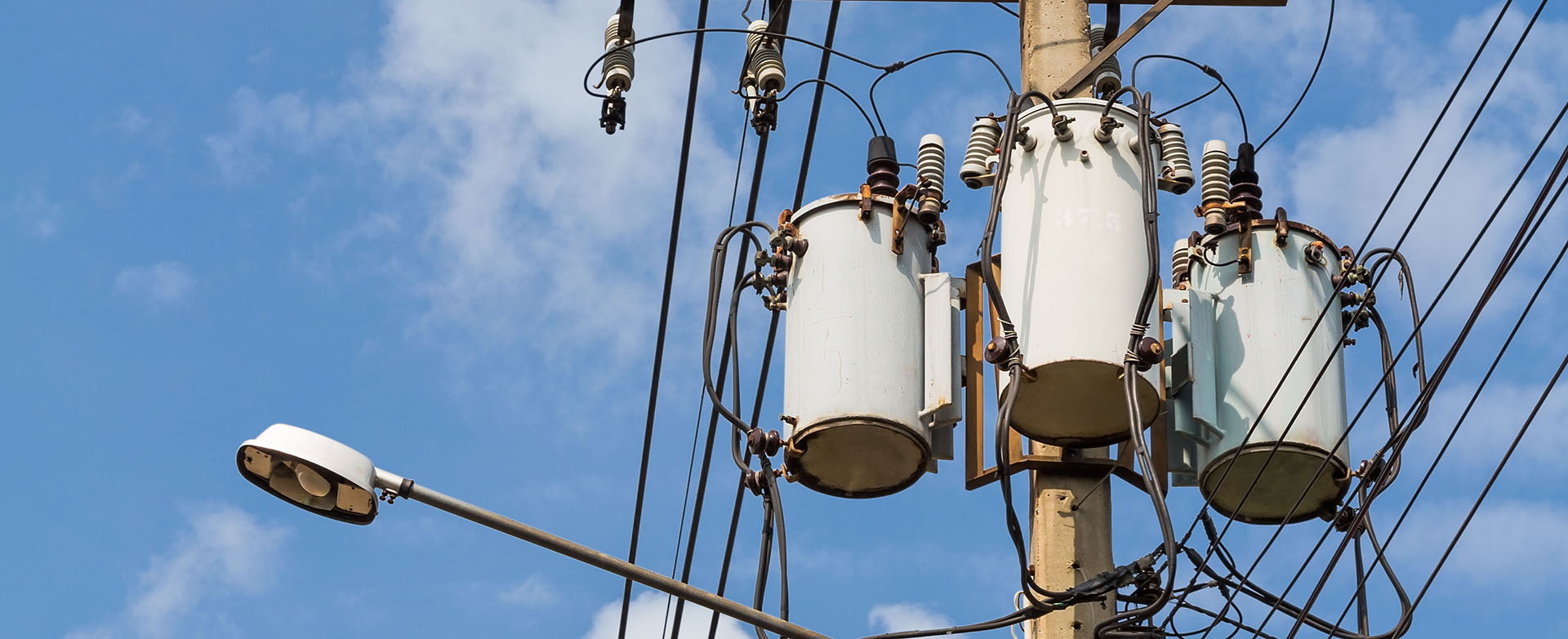
At its core, a transformer is a passive electrical device that transfers electrical energy from one circuit to another. It does this through a process called electromagnetic induction. Transformers can either boost voltage levels (step-up) or lower them (step-down).
Inside a standard transformer, you will find three main parts:
When alternating current (AC) flows through the primary coil, it creates a shifting magnetic field in the core. This magnetic field then induces a voltage in the secondary coil.
Fun Fact: The change in voltage depends entirely on the number of turns in the coils. If the secondary coil has fewer turns than the primary coil, the voltage goes down!
Without transformers, our modern world quite literally couldn't run.
If we tried to send low-voltage electricity over long distances, most of it would be lost as heat before it ever reached your house. On the flip side, if we sent high-voltage electricity straight into your home without stepping it down, it would instantly destroy your appliances and cause major safety hazards.